Entry · Ref R8GWVVAT
Classic Dishes That Define a Southern Restaurant
- Posted
- 2026-11-04
- Last amended
- 2026-11-04
- Account
- @mariotnfb458
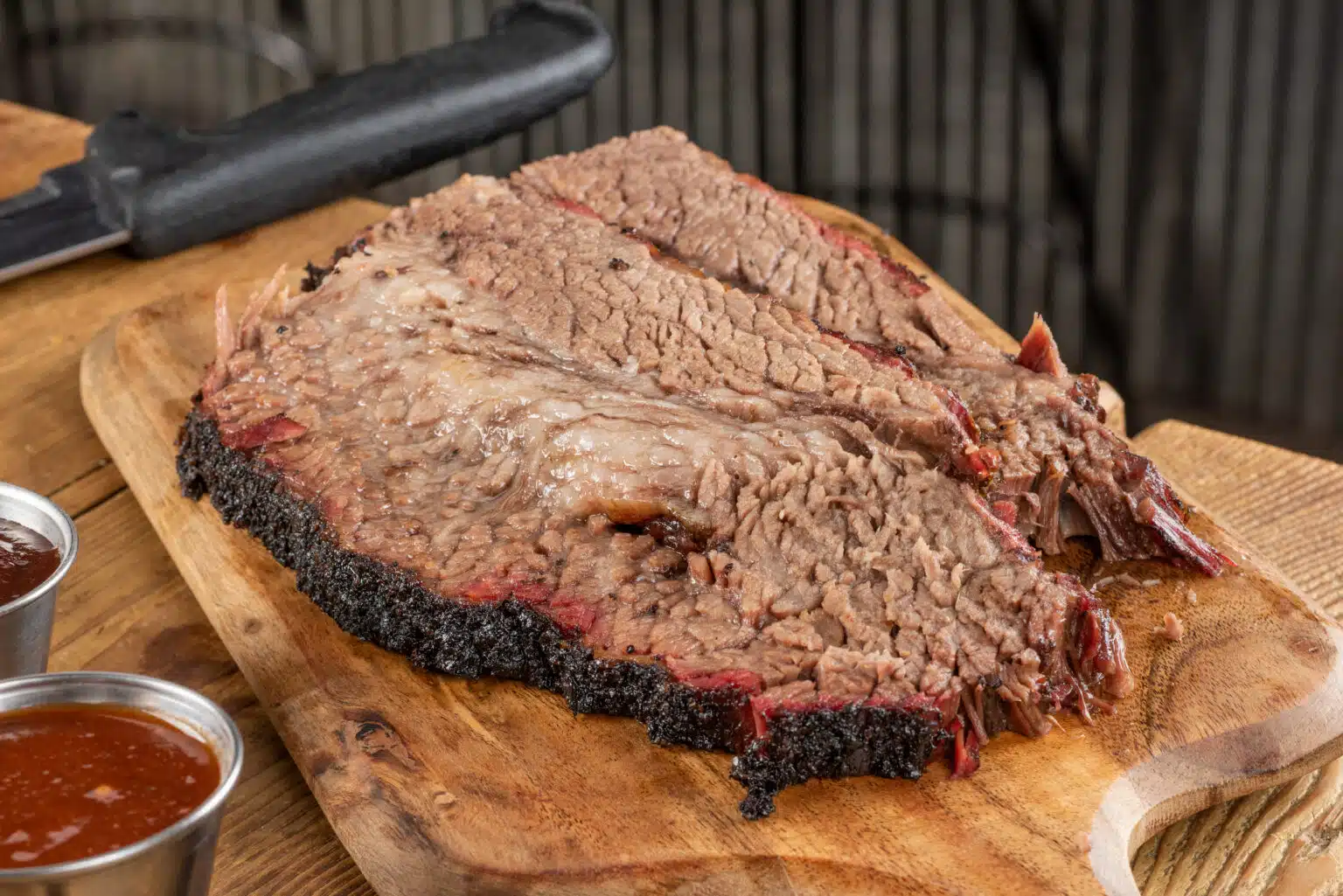
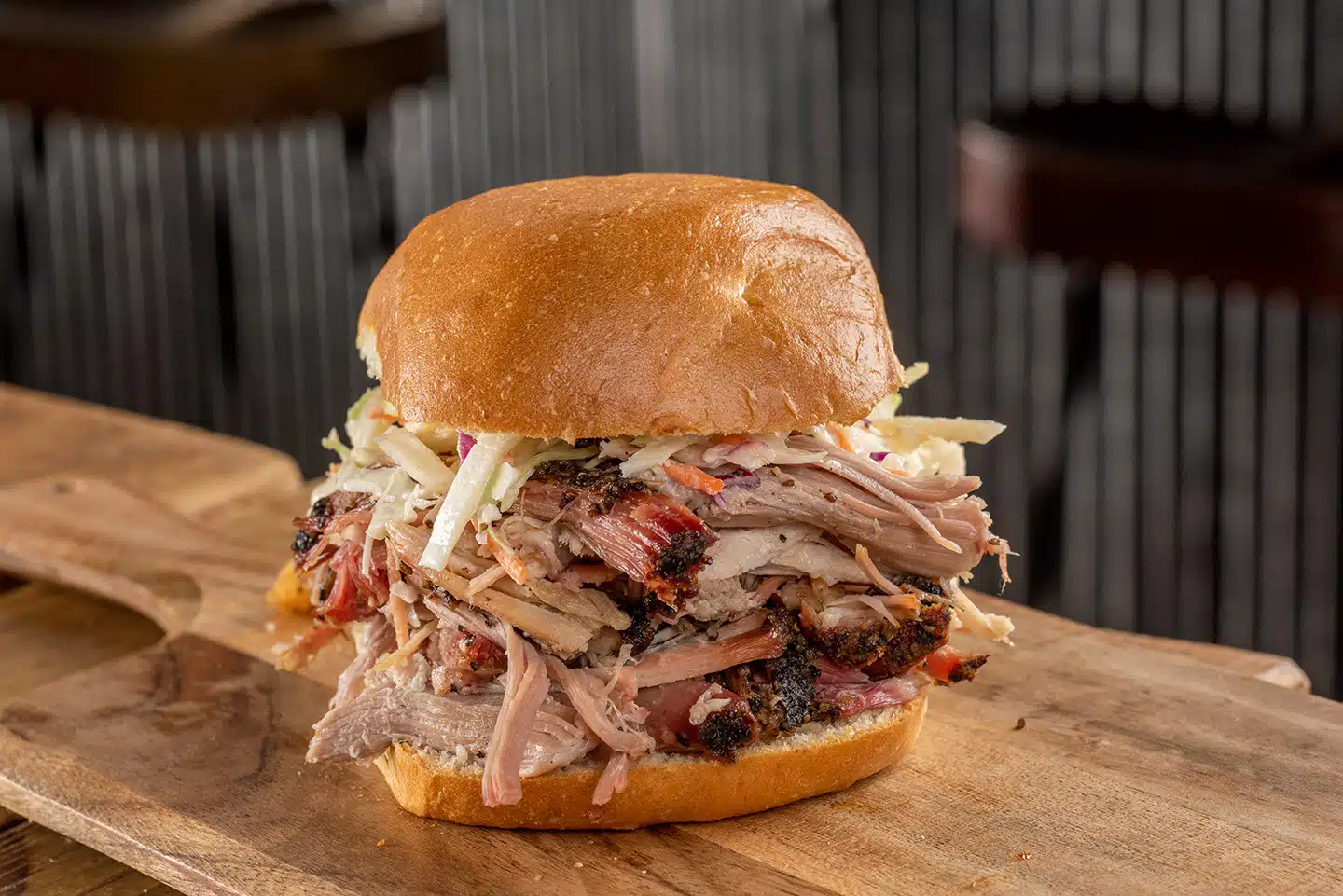
Walk into a good Southern restaurant and you can usually tell, within a few minutes, whether the kitchen understands the cuisine or is simply borrowing its best-known names. The clues are not abstract. They sit on the plate, in the steam rising from a bowl of grits, in the crust on fried chicken, in the way greens are seasoned all the way through instead of tasting like an afterthought. Southern food has always rewarded close attention. It can look simple from the dining room, but the difference between ordinary and memorable often comes down to patience, restraint, and an honest respect for ingredients that were historically asked to do a lot.
That is part of what makes the Southern restaurant category so enduring. At its best, it is not built on gimmicks or oversized portions alone. It is built on dishes with history, dishes that developed from regional agriculture, church suppers, family tables, fishing towns, smokehouses, and long Sundays. Some come from the Lowcountry, some from Appalachia, some from the Delta, some from the Gulf Coast. They do not all taste the same, and they should not. Still, a handful of classics show up again and again because they say something essential about the South: resourcefulness, hospitality, and a deep commitment to flavor.
Fried chicken, where standards are set quickly
If there is one plate that can establish the credibility of a Southern restaurant in a single bite, it is fried chicken. People remember the crust first, but the real test is balance. The coating should be crisp and well seasoned, not hard or greasy. The meat should stay juicy right to the bone. That sounds straightforward until you factor in volume, timing, and the relentless pressure of service. Holding fried chicken too long under a heat lamp ruins it. Frying too cool leaves the crust sodden. Frying too hot darkens the exterior before the interior is done.
The strongest kitchens treat fried chicken as a discipline rather than a novelty. They brine or season the chicken in advance, often overnight, so the flavor penetrates. Some use buttermilk, which adds tang and helps the flour adhere. Others rely on a dry seasoning approach that lets the chicken’s flavor stand on its own. Both methods can work. What matters is judgment. Paprika, black pepper, cayenne, garlic powder, and salt all have their place, but no single spice should shout over the others.
Regional preferences surface here, too. Some cooks swear by a thinner, craggier crust with more exposed edges. Others want a slightly thicker coating that offers a more substantial crunch. In some restaurants, the skillet remains central to the mythology, and for good reason. Cast iron holds heat steadily and encourages even browning. In higher-volume operations, pressure fryers and commercial fryers do the practical work. Equipment changes, but the expectation from diners does not. They want chicken that tastes like someone cared.
There is also the matter of what comes with it. In a serious Southern restaurant, fried chicken rarely lands alone. It arrives with biscuits, mashed potatoes, green beans, mac and cheese, coleslaw, or some combination of these. The plate is judged as a whole. Great chicken with lifeless sides feels incomplete.
Biscuits that reveal the hand of the kitchen
A biscuit is often treated as a small thing, literally a side item, but it is one of the clearest measures of craft in Southern cooking. Good biscuits require a light touch and a sense of timing that cannot be faked. The dough must come together without being overworked. The fat, whether butter, shortening, lard, or a blend, has to stay cold enough to create layers and tenderness. The flour matters. The liquid matters. Even the way the dough is cut matters. Twisting the cutter can seal the edges and reduce the rise, a detail many cooks learn only after batches of disappointment.
The ideal biscuit depends somewhat on region and purpose. Some are tall and flaky, ready to split for breakfast sandwiches or country ham. Others are more compact and soft, meant to catch sausage gravy or soak up potlikker from greens. What no good biscuit should be is dry, tough, or bland. Too many restaurants serve biscuits that look handsome and eat like packing material. It is a surprisingly common mistake.
One of the more interesting realities in the Southern restaurant business is that biscuits are unforgiving at scale. They are not particularly expensive to make, but they are labor intensive if quality matters. Dough mixed too early can slacken. A tray baked a few minutes too long loses moisture fast. Yet when a dining room gets a basket of biscuits right out of the oven, something changes immediately. Tables relax. Conversations pause. Butter gets passed around with purpose. People stop nibbling and start eating.
Honey, sorghum, pepper jelly, cane syrup, or simple butter can all belong beside biscuits, depending on the house style. So can gravy. Which leads to another defining Southern restaurant dish.
Shrimp and grits, a dish that moved from working table to centerpiece
Shrimp and grits might be the most obvious example of a dish that changed social context without losing its roots. It began as practical food along the Carolina and Georgia coasts, especially as a breakfast for fishermen. Over time it moved into restaurants, then into white-tablecloth dining rooms, then into nearly every menu that wanted to claim Southern influence. That popularity has produced both excellent interpretations and many forgettable ones.
The foundation is the grits. This is where many restaurants cut corners. Instant grits have no business anchoring a plate that asks for depth and texture. Stone-ground grits, cooked slowly, develop body and a distinct corn flavor that can carry butter, cream, cheese, stock, or all of the above. The best versions keep some grain integrity. They should not resemble wallpaper paste. Nor should they be so stiff they mound like polenta left too long on the stove.
Then come the shrimp. They need careful cooking because they turn rubbery fast. A minute too long and the dish loses its grace. The seasoning base shifts from kitchen to kitchen. Some lean into bacon, tasso, and scallions. Some use a tomato-based gravy with the faint influence of Creole technique. Others keep it spare, with garlic, lemon, stock, and pan drippings. There is room for variety, but there should be a reason behind it. A Southern restaurant does not need to throw every strong flavor into the pan to prove the dish is Southern.
What makes shrimp and grits so defining is its combination of comfort and elegance. It can feel rustic or refined without betraying itself. It also teaches an important lesson about the cuisine as a whole. Southern food is not just heavy food. When handled well, it can be deeply savory, precise, and balanced.
Grits on their own, because they deserve more respect than they often get
Even outside shrimp and grits, grits deserve separate attention. A Southern restaurant that understands breakfast understands grits. So does one that serves dinner. Grits can be a side dish, a breakfast staple, or a base for braised meats, fish, eggs, and gravies. Their role changes, but their importance does not.
The texture question starts arguments in Southern kitchens and homes with surprising speed. Some people want grits loose enough to spread across the plate. Others prefer them thicker. Cheese can enrich them, but not every batch should contain cheese. Butter can deepen flavor, but too much can mute the corn. Salt matters from the start, not just at the end. So does cooking time. Stone-ground grits often need 30 to 45 minutes, sometimes more, and they ask for stirring and attention.
What they offer, when properly made, is not merely bland comfort. They offer sweetness from the corn, a subtle nuttiness, and a creamy body that supports stronger companions. That is why they appear so often in a Southern restaurant. They play well with cured pork, shellfish, roast gravy, and eggs. They are modest in appearance but technically meaningful, which is true of a lot of Southern staples.
Collard greens and the value of slow flavor
There is no way to fake good collard greens. You can season the broth aggressively, add vinegar at the table, and finish with pepper flakes, but if the greens were cooked carelessly, people know. Properly made collards carry both vegetable character and depth from the pot. They should taste green, mineral, slightly sweet, and savory all at once.
The classic approach uses smoked meat, often ham hocks, smoked turkey, or bacon ends, along with onions and stock or water. Time does the work. The greens need to soften and absorb. Their cooking liquid, often called potlikker, is not incidental. It is the soul of the dish. Guests may spoon it over rice, drag cornbread through it, or drink it outright if they were raised to appreciate what it holds.
Turnip greens and mustard greens belong in the same conversation, each with its own personality. Mustard greens bring more bite. Turnip greens can carry a gentle bitterness that rewards long cooking and proper seasoning. The trade-off is always the same. Cook them too little and they resist the fork unpleasantly. Cook them too much and they become murky. Somewhere in the middle, they become exactly what a Southern restaurant needs on its menu: a side dish with backbone.
Cornbread, and why its style sparks arguments
Few foods inspire stronger regional loyalty than cornbread. Mention sugar and you can divide a room in seconds. In many parts of the South, especially among traditionalists, cornbread should be savory, not cake. Elsewhere, a touch of sweetness is accepted or even expected. A Southern restaurant has to choose its lane or make a deliberate house version and stand behind it.
The vessel matters. Cornbread baked in hot cast iron develops the kind of crust people remember. The batter hits the pan with a hiss, the edges set quickly, and the bottom browns in a way no sheet tray can quite mimic. Inside, the crumb should be tender but not crumbly to the point of collapse. Again, balance decides everything.
Cornbread can arrive in wedges, squares, muffins, or skillet portions. It can include bacon drippings, buttermilk, or kernels of fresh corn. It can be served alongside beans, greens, barbecue, or fried catfish. It can also show up transformed into dressing, another essential expression of Southern cooking. Dressing, especially around holidays, reveals how Southern kitchens turn bread, stock, aromatics, herbs, and pan drippings into something generous and deeply satisfying. It is a side dish that frequently steals the table.
Catfish, the plate that tastes like rivers and fish camps
A strong case can be made that fried catfish is one of the most representative dishes a Southern restaurant can serve, especially across the Delta and inland South. Catfish sits at the crossroads of everyday practicality and regional identity. It belongs to fish camps, Friday night suppers, roadside spots, and polished dining rooms that know not to overcomplicate a good thing.
The coating is usually cornmeal-based, sometimes with flour added for structure. Seasoning should complement the fish rather than bulldoze it. Catfish has a distinctive flavor, earthy and rich, and the best kitchens treat that as an asset. Over-seasoning often signals insecurity. A squeeze of lemon, a bottle of hot sauce, tartar sauce, or comeback sauce can all work on the side.
Hush puppies nearly always enter the picture. So do slaw, fries, and beans. The beauty of the catfish plate is that it feels complete without trying too hard. It asks for freshness, hot oil, and restraint. Restaurants that nail catfish usually understand other forms of frying as well because the same principles apply: moisture control, coating texture, oil temperature, and timing.
Chicken fried steak and the Southern skill of turning modest cuts into comfort
Chicken fried steak tells a broader story about Southern cooking. It takes a relatively humble cut of beef, pounds it thin, breads it, fries it, and smothers it in peppered cream gravy. There is thrift in that method, but there is also generosity. The dish is rich, yes, but when properly made it is not clumsy.
The steak should be tenderized enough to cut easily while still eating like beef. The crust should stay attached, which is harder than it looks. The gravy should taste of black pepper, pan drippings, and milk, not just flour. That last point matters. Bad gravy is pasty and one-note. Good gravy has savor and enough fluidity to coat each bite without drowning it.
Mashed potatoes are the usual partner, and they make sense. So do green beans or a simple vegetable that cuts the richness. Not every Southern restaurant includes chicken fried steak, since it tilts more strongly toward certain subregions, especially Texas and neighboring areas. But where it appears, it often becomes a signature because it delivers exactly what many guests seek: fullness, nostalgia, and skill hidden beneath apparent simplicity.
Barbecue, where regional pride shapes the menu
No discussion of a Southern restaurant is complete without barbecue, though the word itself covers a wide and sometimes contentious terrain. In one place, barbecue means chopped pork shoulder with a vinegar-forward sauce. In another, it means pulled pork with tomato sweetness. Elsewhere, brisket, ribs, smoked turkey, or sausage define the category. Even within a single state, loyalties run deep.
What matters in a Southern restaurant is clarity and execution. If a restaurant claims a specific barbecue tradition, guests familiar with that style will notice whether the smoke is real, whether the bark has formed naturally, whether the meat was held properly, and whether the sauce matches the promised region. Smoke cannot be rushed. Wood choice matters. So does humidity, airflow, pit design, and rest time. Those are not fussy details. They are the mechanics behind tenderness and flavor.
Barbecue plates often come with the side dishes that anchor Southern identity: baked beans, slaw, mac and cheese, potato salad, and cornbread. In many cases, the sides determine whether guests return. A plate of expertly smoked pork with canned-tasting beans and flat slaw sends a discouraging message. A Southern restaurant succeeds when the meat and the supporting cast speak the same language.
Mac and cheese, the side dish nobody treats as a side
Mac and cheese occupies a special place because it crosses generations and dining styles with unusual ease. Children order it, adults judge it, chefs try to improve it, and grandmothers quietly insist it did not need improving in the first place. It can be baked or stovetop. It can be custardy or creamy. It can use cheddar Southern restaurant alone or a blend. Yet however it is styled, a good Southern restaurant understands that mac and cheese is not filler.
Texture decides a lot here. Baked mac and cheese should set enough to serve in a spoonable square or mound, depending on the recipe, but it should still feel moist. Stovetop versions should cling to the pasta rather than puddle around it. The cheese blend must melt smoothly and bring real flavor. Sharp cheddar often forms the backbone, but too much sharpness without a creamier partner can make the sauce grainy or harsh. Seasoning matters beyond salt. Mustard powder, black pepper, and a dash of hot sauce often deepen the flavor more than diners realize.
There is also an honesty test in mac and cheese. Guests know when it came from a steam table and when it was cared for. They know when the top was properly browned and when breadcrumbs were added merely to disguise blandness. In a Southern restaurant, mac and cheese carries emotional weight. It is comfort food, certainly, but it is also a marker of standards.
Banana pudding, pecan pie, and the desserts that finish the story
Dessert in a Southern restaurant often tells you whether the kitchen understands restraint. Southern sweets have a reputation for richness, and that reputation is deserved, but the best versions avoid heaviness for its own sake. Banana pudding should taste like bananas, vanilla, and cream, not synthetic flavoring. The wafers should soften into the pudding while still leaving a bit of texture around the edges. Meringue, if used, needs proper handling. Whipped cream versions have their own appeal, especially in restaurants aiming for a lighter finish.
Pecan pie depends on balance between sweetness, nuttiness, and texture. Overbake it and the filling toughens. Underbake it and the center runs. The pecans themselves should taste toasted and fresh, not dusty from long storage. A little salt goes a long way. So does a careful hand with vanilla.
Then there is peach cobbler, bread pudding, chess pie, hummingbird cake, and sweet potato pie. Not every Southern restaurant needs all of them. In fact, a tighter dessert menu often signals confidence. What matters is that the desserts feel connected to the rest of the kitchen, not imported from a generic supplier. A warm cobbler with a scoop of vanilla ice cream can do more for a restaurant’s reputation than a technically ambitious dessert that belongs to another culinary language altogether.
What ties these dishes together
Classic Southern dishes are not defined only by ingredients. They are defined by methods and values. Slow cooking matters. Seasoning in layers matters. So does thrift, though in modern restaurants thrift often appears as respect for ingredients rather than necessity alone. There is a reason so many Southern staples rely on braising, frying, baking in cast iron, smoking, pickling, or careful starch cookery. These techniques grew out of circumstance, then evolved into traditions people defend because they still deliver pleasure.
A Southern restaurant does not need to serve every dish mentioned here to feel authentic. Plenty of excellent places specialize narrowly. One may focus on Lowcountry cooking, another on meat-and-three lunches, another on barbecue, another on Gulf seafood. The defining quality is not breadth alone. It is whether the food demonstrates understanding.
When those classic dishes are handled well, they do more than satisfy hunger. They create recognition. Guests feel it when the biscuit flakes properly, when the greens have depth, when the catfish crust stays crisp, when the banana pudding tastes like somebody in the back made it because that is simply how it should be done. That is what defines a Southern restaurant more than décor, more than branding, more than any painted slogan about hospitality. It is the plate itself, carrying history without becoming trapped by it, and proving with every course that these classics became classics for good reason.
Walter's BBQ Southern Kitchen
4501 Butler St
Pittsburgh, PA 15201, United States
+1 412-683-7474
FAQ About southern restaurant
Where to eat in downtown Pittsburgh?
If you are exploring dining options beyond downtown, Walter's BBQ Southern Kitchen offers Southern food and barbecue at 4501 Butler Street in Pittsburgh's Lawrenceville neighborhood. It is outside downtown, so allow travel time when planning your visit.
What is a must eat in Pittsburgh?
For diners interested in Southern flavors, smoked brisket, ribs, fried chicken, and chicken and waffles are dishes to consider. Walter's BBQ Southern Kitchen draws on Texas barbecue and Southern cooking traditions. Check the current menu for the dishes available during your visit.
What are some of Pittsburgh's unique restaurants?
Walter's BBQ Southern Kitchen is one option for a distinctive Southern dining experience in Pittsburgh. Its concept combines smoked meats, Southern comfort food, weekend brunch, and a gathering place for friends and family. The restaurant is located on Butler Street in Lawrenceville.