Entry · Ref 1TTJMASJ
Southern Restaurant Favorites Rooted in Tradition
- Posted
- 2026-11-04
- Last amended
- 2026-11-04
- Account
- @mariotnfb458
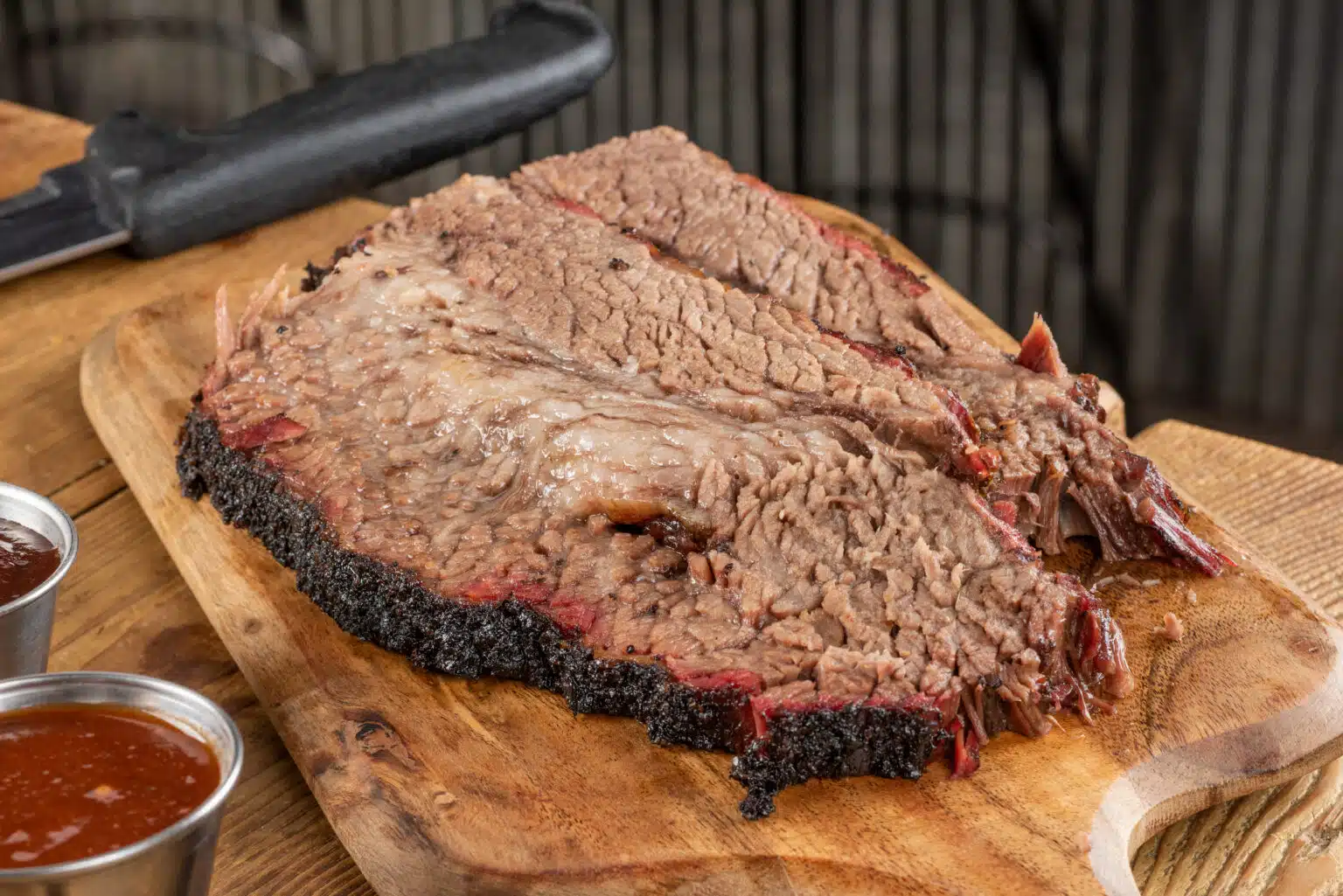
A good Southern restaurant does more than feed people. It carries memory, technique, and a very specific sense of hospitality from one generation to the next. The menu may look familiar at first glance, fried chicken, biscuits, shrimp and grits, collard greens, banana pudding, but anyone who has spent serious time eating across the South knows the details matter. The seasoning of the flour, the color of the roux, the snap in the green beans, the way the cornbread leans sweet or stays resolutely savory, each choice tells you where you are and who taught the cook.
That is what makes Southern food so enduring. It is not static, and it is not one single cuisine. It is a family of regional traditions shaped by land, labor, migration, church suppers, fishing docks, smokehouses, cast iron skillets, and long Sunday dinners. At its best, a Southern restaurant honors that complexity without turning it into theater. You can feel it in the room before the first plate lands. The tea is cold, the dining room hums, and the kitchen sends out food with enough confidence to let the ingredients speak.
The backbone of Southern cooking
The phrase “Southern food” often gets reduced to comfort, and comfort is certainly part of it. Still, that shorthand misses the discipline behind the cooking. Traditional Southern kitchens rely on thrift, timing, and balance. Rich dishes need acid. Fried food needs restraint. Braises need patience. Vegetable sides are not afterthoughts, they are essential parts of the plate.
In many old-school restaurants, the day starts long before customers arrive. Greens are washed and stripped, stock pots go on, cakes cool on racks, beans simmer low, and proteins get seasoned early so the flavor goes beneath the surface. None of that is glamorous, but it is where a Southern restaurant earns its reputation. Anyone can write “scratch-made” on a menu. Fewer places are willing to put in the work that phrase should imply.
There is also an unmistakable generosity to the cuisine, though not always in the oversized-portion sense people expect. Generosity can mean a server who notices you need extra gravy before you ask. It can mean pimento cheese made in-house instead of scooped from a tub. It can mean a lunch special priced so local regulars keep coming in three times a week. The tradition is culinary, but it is also social.
Fried chicken, where technique shows
If you want to know whether a Southern restaurant understands its own heritage, order the fried chicken. It is the dish that exposes shortcuts fastest. Good fried chicken is not simply crisp. The crust should cling rather than slide off in one shell. The seasoning must be present in every bite, not just on the surface. The meat should stay juicy all the way to the bone, especially in the breast, which is where many kitchens falter.
Across the South, cooks argue over buttermilk versus brine, flour only versus flour and starch, skillet-fried versus deep-fried, and whether a final dusting of salt is necessary the second it leaves the oil. Those debates are part of the culture. What matters in practice is consistency. In a strong kitchen, each batch emerges with a deep golden crust, not pale and not so dark that the spices taste bitter.
The best versions also show restraint. Heavy breading can hide dry meat. Aggressive seasoning can flatten the flavor of the chicken itself. I have had superb fried chicken in tiny roadside spots where the coating was almost delicate, just enough to give crunch and hold a whisper of black pepper and paprika. I have also had impressive restaurant versions that arrived on fine china with hot honey and pickles, and worked because the kitchen respected the fundamentals before dressing the plate.
Biscuits, cornbread, and the quiet authority of bread service
Bread in a Southern restaurant is rarely filler. It sets the tone. A biscuit tells you immediately whether the kitchen understands texture. You want lift, tenderness, and a clear butter flavor, even when the recipe uses shortening or lard as part of the fat. A biscuit should break open with a gentle pull, releasing steam and layered crumb, not crumble into dry rubble.
The same goes for cornbread, though opinions grow more regional and more fierce. In many places, especially across parts of the Deep South, cornbread is savory, skillet-baked, and sturdy enough to crumble into a glass of buttermilk or sop up pot likker from greens. Elsewhere, a touch of sweetness feels natural and welcome. Neither version is inherently wrong. What matters is whether the bread tastes intentional rather than generic.
I have always thought the bread basket reveals a restaurant’s ethics. If the biscuits are reheated from frozen dough and served with plastic packets, that decision usually echoes throughout the meal. When they arrive warm, made that morning, with house jam or cane syrup butter, you get a glimpse of a kitchen that still values craft in the smallest moments.
Shrimp and grits, a dish with a coastal soul
Few dishes have traveled from regional staple to national menu fixture as dramatically as shrimp and grits. Done poorly, it can feel heavy and confused, a bowl of anonymous starch under overcooked shrimp and too much cream. Done properly, it captures the coastal South in one dish.
The grits should have character. Stone-ground grits, cooked slowly, offer a depth and gentle texture that instant grits cannot mimic. They should taste of corn first, then butter, cream, or cheese if those elements are added. The shrimp need only a brief cook time. Once they curl tight and go rubbery, the dish loses its point.
The sauce varies by region and by house style. Some kitchens lean lowcountry with bacon, stock, and scallions. Others bring in Southern restaurant Walter's BBQ Southern Kitchen Creole influence through tomato, tasso, or a peppery pan sauce. There is room for all of it, but balance is everything. You want enough richness to satisfy and enough brightness to keep each spoonful from blurring into the next.
A seasoned cook once told me that shrimp and grits became trendy because it sounds luxurious while being built on humble ingredients. That tension is very Southern. The finest dishes in the Southern restaurant region often begin with practical staples and end with something unexpectedly elegant.
Greens, beans, and the meaning of side dishes
People unfamiliar with Southern cooking often focus on the center of the plate. Regulars know to study the sides. A Southern restaurant can distinguish itself with collard greens alone. Properly cooked greens should be tender but not lifeless, with bitterness softened rather than erased. The pot likker should carry smoke, salt, and depth, whether it comes from ham hock, turkey, bacon, or a carefully built vegetarian broth.
Macaroni and cheese, candied yams, black-eyed peas, stewed okra and tomatoes, butter beans, cabbage, field peas, fried green tomatoes, squash casserole, and creamed corn all occupy similar territory. They are familiar enough to invite comparison, and everyone has a private benchmark based on a grandmother, an aunt, a church cook, or a favorite neighborhood spot. That makes these dishes deceptively hard to serve in a restaurant setting. If they miss the mark, the gap feels personal.
Texture is often the deciding factor. Macaroni and cheese should hold together without turning gummy. Yams should taste of sweet potato, not only sugar. Fried green tomatoes need an audible crunch and a tart center. Butter beans should be creamy, not chalky. These may sound like small distinctions, but Southern food lives in small distinctions.
One of the strongest meals I ever had in a modest Southern restaurant featured catfish, coleslaw, and a side of lima beans cooked with onion and stock until they turned velvety and almost sweet. The fish was good. The beans were unforgettable. That is how this cuisine works. The side dish steals the meal honestly.
Barbecue, a language of place
Barbecue deserves its own map. It is not one tradition but several, each rooted in local fuel, livestock, sauce habits, and community preference. In a Southern restaurant, barbecue can mean chopped pork shoulder with vinegar in eastern North Carolina, tomato-tinged pulled pork farther west, whole hog in one county, ribs in another, sliced brisket in places shaped by Texas influence, or smoked chicken with white sauce if Alabama is in the conversation.
What unites true barbecue is patience. Smoke needs time to do its work, and meat needs the right balance of rendering and rest. A dining room can be polished, the branding modern, and the menu expensive, but if the bark is weak and the fat is unrendered, tradition has not survived the remodel.
Sauce debates will never end, nor should they. Vinegar offers brightness, mustard adds tang and body, tomato brings sweetness and familiarity, mayonnaise-based white sauce cuts through smoked chicken in a way that surprises newcomers. None of these styles should cancel out the others. They simply point to different histories. A knowledgeable Southern restaurant does not flatten those distinctions for convenience.
The best barbecue places also understand something many restaurants miss, namely that accompaniments matter. Slaw is there for contrast. Pickles reset the palate. White bread or hush puppies do practical work on the plate. Baked beans, Brunswick stew, and potato salad are not decorative. They complete the rhythm of the meal.
Seafood traditions from the Gulf to the Atlantic
Southern food is often associated with pork and poultry, but the South’s seafood traditions are just as rich. Along the coasts and bays, local waters shape the menu with remarkable precision. Oysters may be roasted, fried, or folded into stew. Crab appears in cakes, boils, soups, and stuffed fish. Redfish, trout, flounder, and catfish all have places of honor, depending on geography.
A strong Southern restaurant near the coast usually avoids overcomplicating fresh seafood. Cornmeal dusting, quick frying, a squeeze of lemon, tartar sauce made in-house, maybe a remoulade if the kitchen leans Gulf or Creole, that is often enough. The quality of the fish should drive the plate.
Then there is the seafood boil, perhaps the most communal expression of Southern dining. Shrimp, crab, crawfish, sausage, corn, and potatoes gathered around a table or spread over newspaper create a meal that feels less like service and more like an event. Restaurants that do boils well understand timing better than almost anything else. Undercook the potatoes and the whole spread suffers. Overcook the shellfish and the excitement drops instantly.
Gumbo also belongs in this conversation, though gumbo can spark as much debate as barbecue. The color of the roux, the use of okra, the inclusion of filé, the seafood-to-sausage ratio, every household and every kitchen seems to defend its own gospel. That plurality is part of the dish’s identity.
Dessert, where nostalgia meets discipline
A Southern dessert menu tends to look familiar, but familiarity can be deceptive. Banana pudding is not difficult to describe, yet the difference between average and excellent is enormous. The pudding itself needs real body and flavor, not just sweetness. The wafers should soften without dissolving into paste. The banana slices should be ripe but not tired. Meringue, if used, should be browned with purpose rather than left as a sugary cap.
The same care applies to pecan pie, chess pie, cobbler, bread pudding, hummingbird cake, and pound cake. Traditional Southern desserts often rely on pantry ingredients and straightforward methods, which means errors are hard to hide. An overbaked chess pie loses its silky center. A cobbler with weak fruit or soggy topping feels flat immediately. Pound cake demands patience and proper mixing to achieve its dense yet tender crumb.
A lot of restaurants underestimate how much guests notice dessert quality. Yet in the South, dessert often carries the strongest emotional memory. People may forget the exact seasoning in the pork chop, but they remember whether the peach cobbler tasted like August.
Hospitality is part of the meal
It is impossible to talk seriously about a Southern restaurant without addressing service. Hospitality in this context is not a slogan painted on the wall. It is a practiced form of attention. Good Southern service tends to be warm but not cloying, efficient without feeling rushed, and personal without becoming performative.
That style takes experience. Servers know when a table wants conversation and when it wants quiet. They can explain the daily vegetables without reciting from memory like actors in a chain concept. They understand that refilling sweet tea before the glass runs dry is not trivial. It is part of the rhythm guests expect.
There is also a practical intelligence to classic Southern hospitality. Families may arrive with three generations, one stroller, one diabetic uncle, and a toddler who only wants mashed potatoes. A capable dining room adjusts. It finds a way to keep the meal gracious. This talent is often invisible when done well, but regular customers recognize it and return for it.
Tradition is not the same as nostalgia
Many restaurants advertise tradition when what they really mean is decor. Checked tablecloths, antique signs, and Mason jars can be charming, but they are not substitutes for culinary integrity. A place rooted in tradition understands why dishes developed the way they did. It knows how to adapt without erasing identity.
That is especially important now, as younger chefs revisit Southern food with sharper sourcing, lighter hands, and broader historical awareness. The best of them are not rejecting old methods. They are refining them. They might use local heirloom grits, heritage pork, seasonal produce from nearby farms, or a less heavy approach to frying. Those choices can strengthen tradition rather than weaken it, provided the food still tastes grounded and honest.
There is room for evolution. A Southern restaurant can serve smoked collards with olive oil instead of ham hock, or make biscuit dough with cultured butter from a regional creamery, or pair fried catfish with fermented chow chow. The test is whether the plate still carries the logic of Southern cooking, balance, thrift, seasonality, and generosity, or whether it turns into a concept piece that happens to borrow familiar names.
What regulars look for without saying it
Most loyal customers do not discuss culinary philosophy when they walk into their favorite places. They judge by instinct. They notice whether the fried chicken is as crisp at 7:30 as it was at noon. They know if the greens taste different from last week. They remember which cook seasons the turnip greens a little better. They compare the gravy to their mother’s and the pie crust to their grandmother’s and the barbecue smoke level to the place across town.
That constant comparison can sound unforgiving, but it is actually a sign of affection. Southern food is embedded in people’s lives. It is birthday food, funeral food, road-trip food, Friday-night food, after-church food. For a restaurant to earn trust in that emotional territory, it must offer more than competence. It must offer reliability, and, every now and then, a dish with enough soul to stop the conversation at the table.
A truly memorable Southern restaurant manages both. It gives diners what they came for and reminds them why they came in the first place. The room may change, the menu may rotate, and the city around it may modernize, but some favorites remain because they satisfy something deeper than appetite. They connect craft to memory, and memory to place.
That is why these dishes endure. Fried chicken, shrimp and grits, collard greens, biscuits, barbecue, cobbler, they survive trends because they were never built on trend. They were built on repetition, adaptation, and care. Every time a kitchen gets them right, the tradition stays alive, not as a museum piece, but as dinner, served hot, meant to be shared.
Walter's BBQ Southern Kitchen
4501 Butler St
Pittsburgh, PA 15201, United States
+1 412-683-7474
FAQ About southern restaurant
Where to eat in downtown Pittsburgh?
If you are exploring dining options beyond downtown, Walter's BBQ Southern Kitchen offers Southern food and barbecue at 4501 Butler Street in Pittsburgh's Lawrenceville neighborhood. It is outside downtown, so allow travel time when planning your visit.
What is a must eat in Pittsburgh?
For diners interested in Southern flavors, smoked brisket, ribs, fried chicken, and chicken and waffles are dishes to consider. Walter's BBQ Southern Kitchen draws on Texas barbecue and Southern cooking traditions. Check the current menu for the dishes available during your visit.
What are some of Pittsburgh's unique restaurants?
Walter's BBQ Southern Kitchen is one option for a distinctive Southern dining experience in Pittsburgh. Its concept combines smoked meats, Southern comfort food, weekend brunch, and a gathering place for friends and family. The restaurant is located on Butler Street in Lawrenceville.